
Investing where members work
Discover how Brenan Place and the UNSW Health Translation Hub bring deep sector insight into our property portfolio.

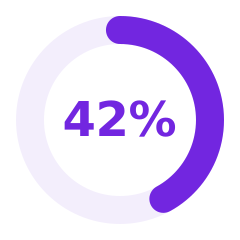 42%
of HESTA members provide unpaid care1
| 38 hrs
average unpaid care per week1
|
3M+
Australians balance unpaid care with employment2
| 16%
reduction in retirement savings due to unpaid care3
|
Many also go home to care for someone they love. HESTA research about our members’ experience of work, life and care found:
When carers can't get the flexibility or support they need at work, they reduce their hours, go part time or leave the workforce entirely. In sectors already facing critical skills shortages, that's a problem no employer can afford.
The Carer Inclusive Workplace Initiative (CIWI) is an Australian Government program managed by Carers Australia. It was established from the Australian Government's Jobs and Skills Summit, with a clear goal: to remove the barriers keeping Australia’s carers out of employment.
CIWI helps employers create workplaces where people with unpaid caring responsibilities can thrive, not just survive, and it's free for employers to participate. Since 2024, CIWI has given HESTA a structured and supported way to build greater carer inclusivity into our own workplace.
Keep the best people
Carers who feel supported stay. Replacing a skilled employee costs far more than flexible leave or adjusted hours.
Attract talent
Carer-inclusive workplaces stand out. Government-endorsed recognition gives a credible, visible signal to prospective employees.
Reduce unplanned absences
When carers have structured support, crisis absences may drop and predictability improves – for your employers and for them.
Close the gender super gap
Carer-inclusive policies may improve women's workforce participation and can help close the gender super gap over time.
"No one should have to choose between doing great work and caring for the people who matter most to them."
Discover how Brenan Place and the UNSW Health Translation Hub bring deep sector insight into our property portfolio.
We're investing in innovative companies that develop technologies to improve health and wellbeing, while delivering strong investment outcomes for our members.
We've got super helpful tools, resources, and support for you and your employees.