Protect your personal information online
With cyber-attacks increasing, it’s important to know what you can do to protect your personal data.
Keeping your data safeAs scams and fraud continue to rise in Australia, there’s never been a more important time to protect your privacy and your super. Learn more about what you can do to protect your super and how we can help.

Let us know by calling on 1800 813 327
(overseas +61 3 9957 0064) or emailing scams@hesta.com.au.

If you suspect someone else has accessed your HESTA super account, immediately change your password.

Report cybercrime to ReportCyber and scams to Scamwatch. If you’ve experienced identity theft, contact IDCARE.

One of the best ways to detect any unusual activity is to monitor your HESTA online account regularly. With an online account, you can:
Don't have an online account yet? Register here so you can regularly check in with your super.
We’ll send you an SMS confirmation of any changes to your personal details made on your online account.
If you receive a message about a change you didn't make, contact us immediately.
A passkey is a more secure way to sign in to your online accounts.
Once you’ve set up your passkey, you won’t have to enter your username and password every time you want to access your account.
Instead, you can sign in using the security features on your phone, like facial recognition, fingerprint, or screen lock (i.e. PIN or swipe pattern).
Passkeys can’t be guessed or stolen by scammers, and they allow you to access your account in one step.

If you'd prefer to log in with a password instead of a passkey, you should set up a password or passphrase on your HESTA online account that is:

HESTA online accounts protected by passwords also require multi-factor authentication (MFA) as an extra layer of security for extra peace of mind.
MFA is an additional way to protect your valuable information and accounts against unauthorised access by using more than one way — such as a password — to verify your identity.
As part of this security measure, we’ll send you a verification code every time you log in to your online account, or the first time you log in to the HESTA App.
Don’t have an online account yet? Register now so you can regularly check in with your super.
We may call you about your super, particularly if:
However, unsolicited cold calls offering financial products, including super, may be illegal, and you should not engage with these callers as they may be attempting to obtain your personal information as part of a scam.
Follow these tips to stay safe over the phone:
Fraudsters may send you fake emails or texts with harmful links or malicious attachments. This practice is known as phishing.
You can keep yourself safe by looking out for:
If you receive an email that you're unsure about:
Scammers use deceptive emails, text messages, phone calls, or fake websites to trick you into revealing personal information, like passwords, bank account numbers, or credit card details. Look out for suspicious sender addresses, generic greetings, and a sense of urgency.

Scammers will often claim to be financial advisers or from an organisation like HESTA, and will encourage you to transfer your super into a new SMSF. They promise high investment returns or low fees. Sometimes, the scammer may set up the SMSF to seem legitimate, before transferring your money to an account controlled by them.

Scammers offer fake or non-existent investment opportunities (e.g. shares, crypto) promising high or guaranteed returns to trick you into transferring money. They often use polished websites, fake credentials, and names similar to real, licensed Australian financial firms to appear legitimate.

Scammers build a fake romantic or close relationship (often via dating apps or social media) to gain trust over time, then ask for money, gifts, or bank details. They may ask you to invest in a business opportunity, or request financial support for a health crisis or travel emergency.

Scammers may impersonate a government agency claiming you’re owed a refund, rebate, or unexpected payment. They falsely promise to transfer this money, asking for banking details or even an upfront fee.

Scammers impersonate the ATO or other government bodies, claiming you owe money or are entitled to a refund. They use urgency or threats to pressure you into handing over payment or personal details.

Scammers can pose as your bank’s fraud or customer service team to convince you that your account has been compromised by suspicious transactions. They advise you to transfer your money to a new “safe” account to protect yourself from future unauthorised transactions.
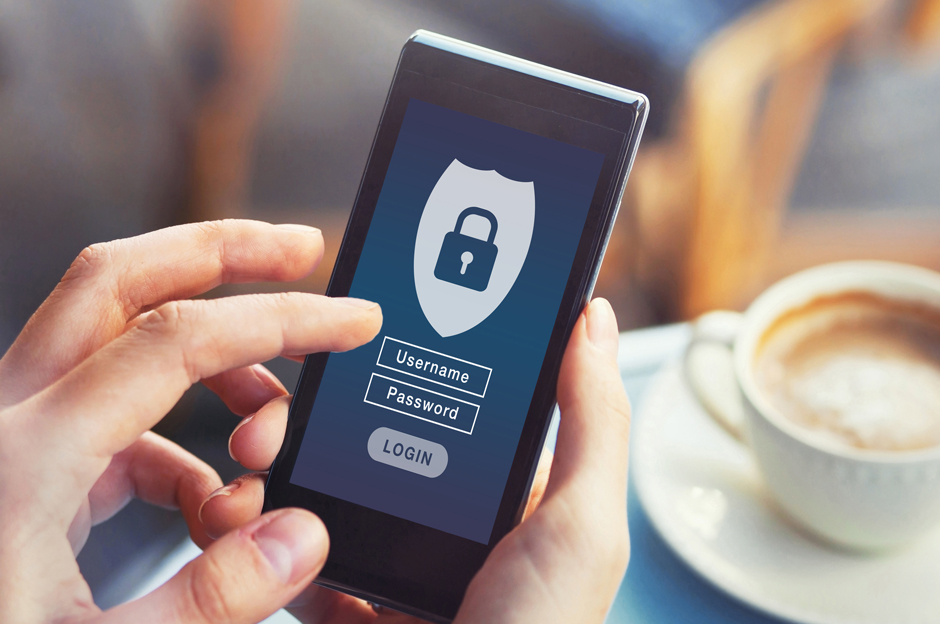
With cyber-attacks increasing, it’s important to know what you can do to protect your personal data.
Keeping your data safe
For the bargain-hunters among us, scammers are out in force and their tactics are getting more sophisticated.
Shop safe, stop scammers
Scams aimed at older Australians have become more convincing than ever. Here's what to look out for.
Let's talk about scams
We're committed to protecting your privacy. Our Privacy Policy explains how we manage your personal information.
Read the HESTA Privacy Policy
The HESTA team is here to help. Reach out to us if you have any questions about your account.