Investing where members work
Discover how Brenan Place and the UNSW Health Translation Hub bring deep sector insight into our property portfolio.
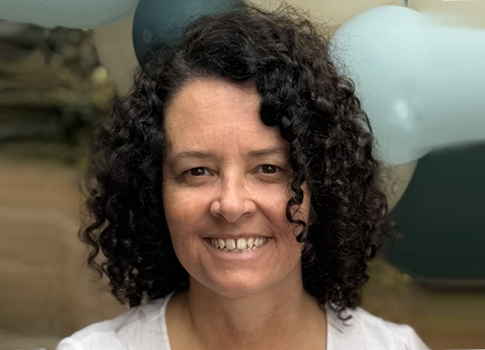
Campbelltown Hospital
Campbelltown, NSW
Rochelle is recognised for 30 years of outstanding midwifery service at Camden and Campbelltown Hospital, where she has played a pivotal role in transforming maternity care through continuity-of-care models, strong workforce mentorship, and sustained advocacy for equitable birthing options.
As the longest-serving Midwifery Group Practice (MGP) midwife in South Western Sydney Local Health District, Rochelle co-founded the Camden and Campbelltown MGP and established an antenatal outreach clinic in Macquarie Fields to support vulnerable families. In 2025, following more than a decade of advocacy, she led the successful implementation of Campbelltown's publicly funded homebirth program — positioning the hospital as one of only 17 nationally to offer this service.
During a critical workforce shortage, Rochelle also mentored seven graduate midwives, ensuring the continuity-of-care model remained safe, sustainable and accessible for women and families across the region.
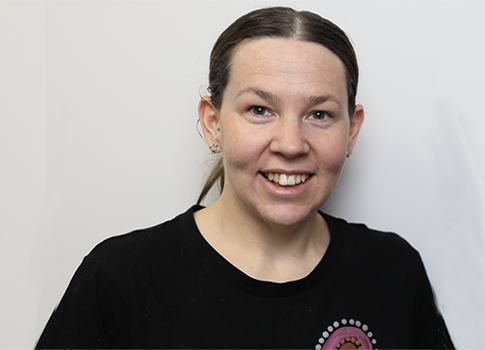
Monash Health
Clayton, VIC
Tamara is recognised for her outstanding leadership as Aboriginal Midwifery Co-ordinator at Monash Health, where she delivers culturally safe, holistic maternity care for Aboriginal and Torres Strait Islander women and families.
She leads the BUBUP Clinic, providing continuity of care across three sites – from pregnancy booking through to postnatal care and home visits – ensuring families feel supported, connected and culturally safe throughout their journey.
Tamara embeds cultural practices such as yarning and storytelling into clinical care and has led the design and rollout of culturally safe maternity spaces across multiple Monash Health sites, featuring Aboriginal artwork across birthing suites and waiting areas.
Under her leadership, antenatal engagement and smoking cessation among Aboriginal women has increased, preterm birth rates have reduced and breastfeeding initiation has improved — demonstrating the profound impact of embedding cultural safety into maternity care.

WA Country Health Service
Shenton Park, WA
Alison is recognised for her transformative leadership in advancing woman-centred maternity care across Australia and internationally.
As former Chief Midwife at the Australian College of Midwives, she represented more than 5,000 members nationally, driving policy reforms that expanded access to midwife-led continuity models, Professional Indemnity Insurance, and new prescribing rights. She played a key role in developing the National Consensus Framework for Rural Maternity Services (Second Edition), now endorsed by multiple national health bodies and cited in federal maternity reform discussions.
Alison also contributes to the International Confederation of Midwives' leadership programs, helping shape global midwifery competency frameworks. She now extends her influence as Executive Director of Nursing and Midwifery at WA Country Health Service, improving health outcomes across one of Australia's largest and most diversely populated health service.
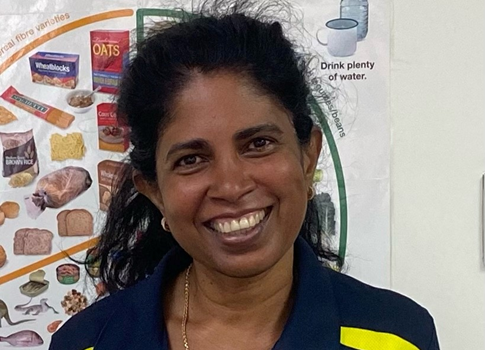
Healthy Living NT
Alice Springs, NT
Helen is recognised for transforming diabetes care across Alice Springs and Central Australia through a community-led model that connects families, builds cultural safety, and ensures no one lives with diabetes alone.
With more than 30 years of nursing experience in the Northern Territory – spending that past 10 years as a diabetes educator – Helen has directly improved the lives of more than 2,000 people facing significant social, geographical, and cultural barriers. Working with Healthy Living NT, she developed a peer-mentored community network of over 100 families, introducing diabetes technology and education to people who face significant barriers to accessing care.
Helen also established the region's first nurse-led type 1 diabetes clinic, has mentored more than 30 diabetes educators, and upskilled over 300 health professionals — improving safety, reducing hospital admissions, and strengthening long-term outcomes for communities across the Territory.
Flinders University
Bedford Park, SA
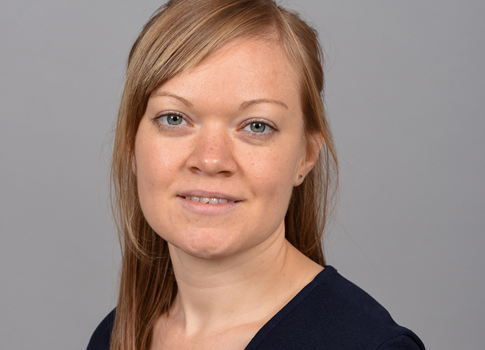
Lauren is recognised for her dedication to improving outcomes for vulnerable children and families through innovative research, policy advocacy, and workforce development.
As a Senior Lecturer at Flinders University, Lauren has led several initiatives aimed at strengthening the capacity of nurses and midwives to support families experiencing adversity. She developed a national position statement with the Australian College of Nursing outlining nurses' roles in child abuse prevention, and was commissioned by the National Centre for Action on Child Sexual Abuse to create a workforce capability framework spanning nursing, health, welfare, education, and community services.
Lauren is currently co-designing REACH for Kids — a practical toolkit equipping health professionals with the skills for supportive, non-judgemental conversations with families experiencing adversities, helping to prevent harm before it escalates.
Australian Catholic University
Darlinghurst, NSW
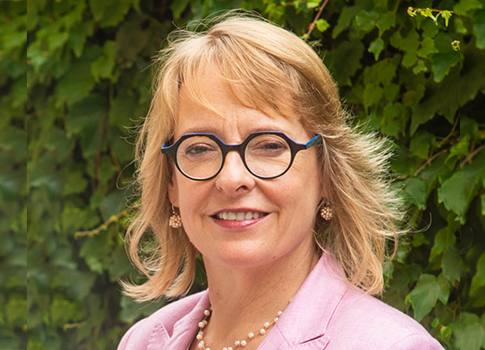
Distinguished Professor Sandy Middleton is recognised for her pioneering research that has transformed stroke care in Australia and around the world.
As Director of the Nursing Research Institute and Professor of Nursing at Australian Catholic University and St Vincent's Health Network Sydney, Sandy led the landmark Quality in Acute Stroke Care (QASC) Trial, demonstrating that implementation of nurse-led protocols for managing fever, hyperglycaemia and swallowing difficulties after stroke reduced 90-day death and dependency by 16%. The FeSS Protocols are now embedded in clinical guidelines across Australia and other 18 countries.
Sandy has secured over $104 million in research funding, published more than 260 peer-reviewed manuscripts, and mentored many clinician researchers. Her work has elevated nursing's role in driving evidence-based care, improving outcomes for stroke patients and their families globally.
North Wollongong, NSW
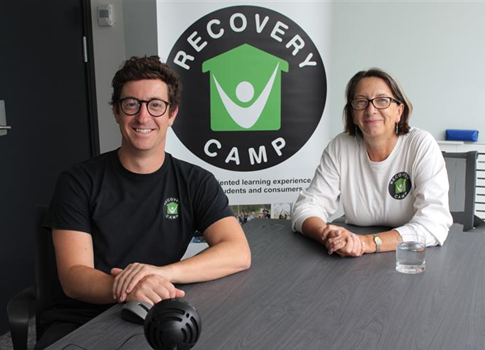
Recovery Camp is recognised for its Australian-first therapeutic recreation program, operating as both a clinical placement opportunity for pre-registration health students — predominantly nursing — and a recovery-focused experience for people living with a mental illness.
Beginning as a University of Wollongong research project in 2013, Recovery Camp has since supported 2,012 students and 1,523 consumers through immersive, five-day, strengths-based programs facilitated by registered nurses with extensive mental health experience. The program has been shown to significantly reduce stigma among nursing students, improve confidence in mental health care, and support consumer empowerment and recovery.
Recovery Camp's model is cited in the Productivity Commission report as an effective means of stigma reduction and workforce development and aligns with national priorities for recovery-oriented alternatives to hospitalisation.
Maclean Medical
Maclean, NSW
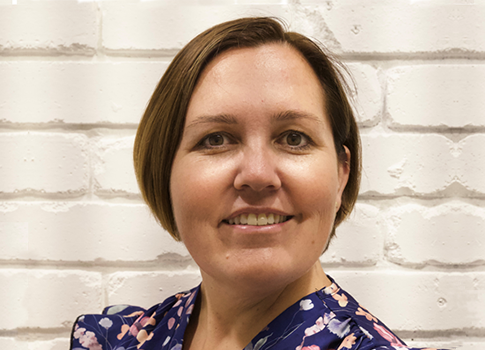
Maclean Medical is recognised for its pioneering nurse-led, GP-supported model of primary care, delivering accessible and affordable health services to rural communities in the Clarence Valley region of New South Wales.
Founded by registered nurse and nurse practitioner candidate Haley Hodgson, the organisation launched the Access Health Clinic in 2025 — a walk-in, same-day service run by nurse practitioners and registered nurses operating to full scope of practice. The clinic sees over 300 patients per week, maintains average wait times under three minutes, and offers bulk-billed consultations for eligible patients.
Entirely self-funded, the model has reduced unnecessary hospital presentations, improved chronic disease management, and created local employment for nurses and allied health professionals, demonstrating that nurse-led primary care can be both sustainable and transformative in rural Australia.
Liverpool, NSW
The HOME Network is a nationally recognised. nurse-led and volunteer-driven initiative transforming access to home dialysis for people living with kidney disease.
Established in 2009 by Founder Professor Josephine Chow and senior renal nurses, the Network addresses declining home dialysis uptake, inconsistent patient education, workforce capability gaps, and financial barriers. It champions patient voice and advances home dialysis as an evidence based, cost effective, and sustainable model of care.
A flagship achievement is TEACH PD, the first cluster randomised controlled trial to address the critical global evidence gap in how peritoneal dialysis is taught. Supported by $4.7 million in competitive funding, 1,462 patients across 42 clusters were enrolled, with primary outcomes presented at the World Congress of Nephrology in March 2026.
With 28 publications and growing policy influence, the Network continues to elevate nursing leadership and shape kidney care as one in three Australian adults approaches risk of kidney disease by 2030.
Discover how Brenan Place and the UNSW Health Translation Hub bring deep sector insight into our property portfolio.
We're investing in innovative companies that develop technologies to improve health and wellbeing, while delivering strong investment outcomes for our members.