Nominate a beneficiary
Your super isn’t automatically included in your estate, so nominating a beneficiary means there are clear instructions on who you want to receive your super.
More on why nominating a beneficiary is importantA serious illness or injury that stops you from ever working again is life changing. Total and Permanent Disablement (TPD) Cover is there to help when you need it the most.
Total Permanent Disablement (TPD) Cover is insurance cover designed to provide you with a lump-sum payment if you suffer a serious injury or illness that leaves you permanently unable to work again.
Here's what TPD Cover may provide if you become permanently disabled and are unlikely to be able to return to work:
At HESTA, TPD Cover can’t be purchased on its own, it’s always combined with Death Cover. You can have a combination of either of these:
You can apply for and hold more TPD Cover than Death Cover.
A TPD benefit is a lump sum payment paid by the insurer. It’s paid if you become totally and permanently disabled. This means you are unlikely to ever work again.
There are strict conditions to accessing TPD Cover. You must meet certain criteria before a claim can be paid. Your case manager will explain what applies to you.
You may be able to claim if:
Before you start your claim, check you have the right documents. Gathering these upfront helps us assess your claim faster.
We need these documents to assess your claim, prevent fraud and ensure we’re complying with applicable laws.
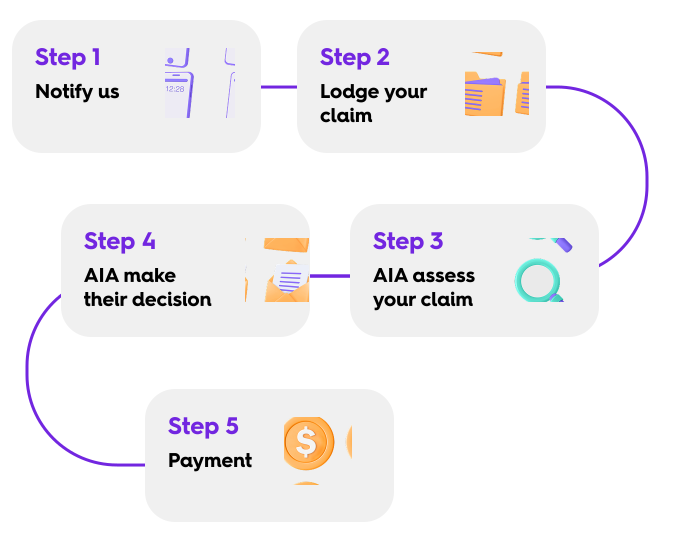
Let us know as soon as you can. The fastest way is through your online account.
We'll need some basic details:
Notify us via your online account
Once you tell us, you’ll be assigned an AIA case manager. They will explain what you need to do. You can also lodge your TPD claim online.
AIA will review your claim. As part of the assessment, they may:
TPD claims can take longer than other claims. We need strong medical proof to show you are unlikely to ever work again in the occupation for which you are reasonably suited by education, training or experience, or that you meet one of the other TPD definitions that apply to your circumstances. Your AIA case manager will keep you updated.
Tips to avoid delays:
AIA send their decision to you in writing, and they'll explain the next steps.
If your claim is approved
If your claim is approved, we'll tell you:
If your claim is not approved
If your claim isn't approved, we'll explain why. We'll also tell you how to appeal or make a complaint.
Once you’ve met the definition of totally and permanently disabled and your claim is successful and approved by AIA:
We aim to pay claims as soon as we can. We'll let you know if we need more time.
 | Our commitmentWe must act in the best financial interests of our members and their beneficiaries. All claims are assessed on a fair and reasonable basis. Your AIA case manager will help you through each step in the claims process. |
The tax on a TPD benefit depends on your age and the type of payment. The rules can be complex.
| Situation | What happens |
|---|---|
| You're over 60 | Usually, no tax |
| You're under 60 | Some tax may apply, depending on the type of payment |
| Payment kept in super | Tax paid will depend on when and how you access it |
Important: we can't give you tax or legal advice about your claim.
If your claim isn't approved, you can:
If you have a complaint about your claim or the claims process, please contact us to make a complaint.
If you're not happy with our response, you can escalate your complaint to the Australian Financial Complaints Authority (AFCA). Visit our Complaints page for more information.
See our Vulnerable Members Policy to learn about our commitments and expectations for dealing with members who are experiencing difficulty and need extra care.

Your super isn’t automatically included in your estate, so nominating a beneficiary means there are clear instructions on who you want to receive your super.
More on why nominating a beneficiary is important
You can check your insurance cover by logging in to your online account, and clicking on the Insurance tab.
Log in to your online accountOur team can help with questions about the process, an existing claim, or starting a new claim. You can get in touch by calling 1800 813 327 or contacting us.